If you’re finishing Year 12 and planning to study music in 2026, one of the most important skills you can start developing right now is collaboration. Whether you dream of composing for film, performing live, producing music or teaching, your ability to work with others will shape your entire career.
To explore this more deeply, we sat down with AIM academic and screen composer Dr Bonnie Green, whose real-world industry experience shows exactly how collaboration opens doors and helps creative careers grow. From landing her first feature film to navigating work as a freelancer, her journey is a perfect example of why no musician succeeds alone.
Here’s what future AIM students can learn from her story.
Collaboration can be the gateway to opportunities
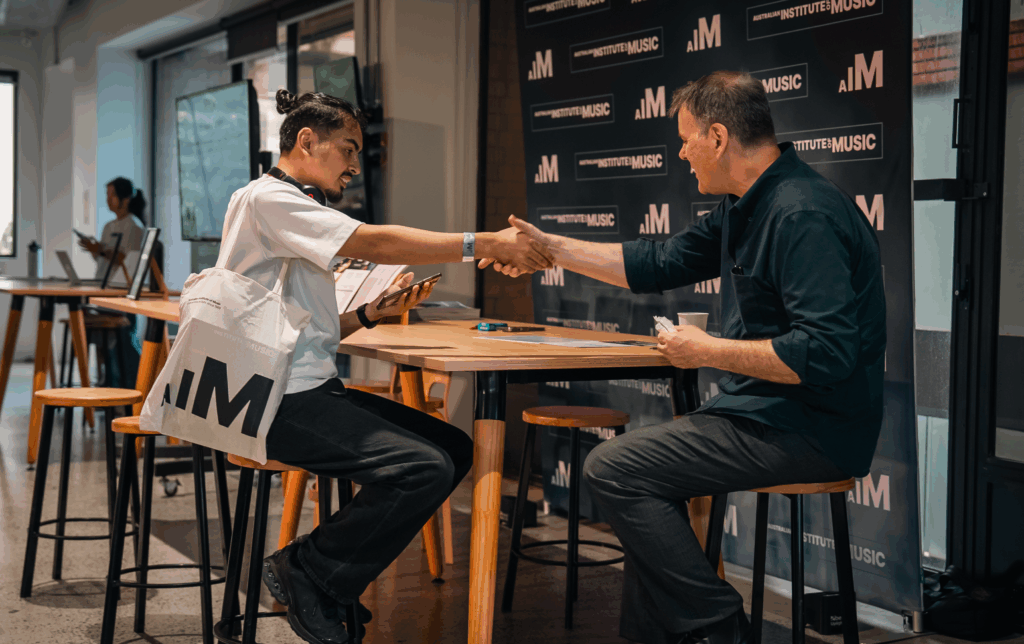
When Bonnie moved from Toowoomba to Sydney, she didn’t know anyone in the film music world. Instead of waiting for opportunities, she went to networking events, introduced herself to directors and producers, and followed every lead she could find.
Two years after a single networking event, a director she met reached out and offered her the chance to score her first feature film. That connection changed everything.
The takeaway for future students:
Putting yourself out there matters. Collaboration often begins long before you work on a project. Every conversation, event or introduction can turn into an opportunity months or even years later, like for Bonnie.
Working closely with directors builds better music
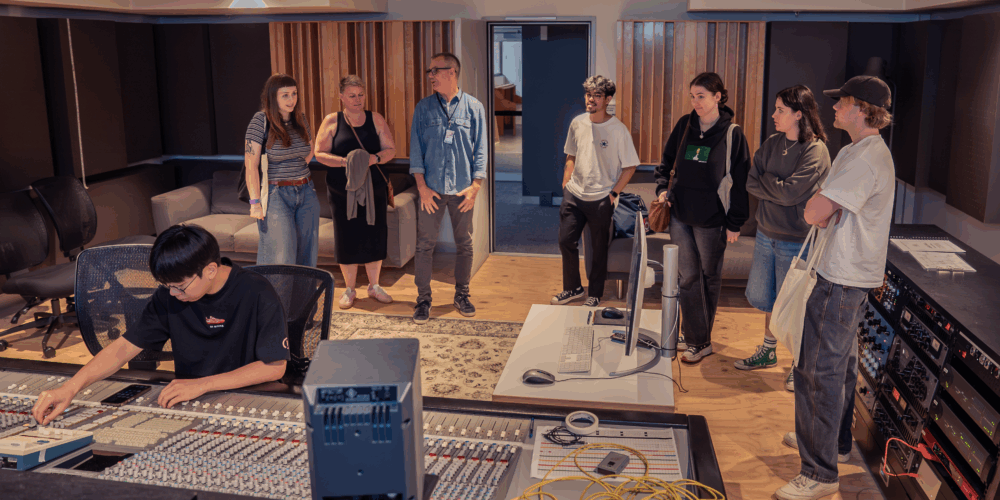
While many composers work alone, Bonnie takes a collaborative approach in the scoring room. For her feature film Mr Redbean, she invited the director to sit in the studio while she composed. Together they tested ideas, refined scenes and shaped emotional moments in real time.
This meant:
• quicker feedback
• a stronger creative relationship
• music that supported the director’s vision
• a more efficient workflow
It also taught her something important: collaboration doesn’t mean giving up creative control. It means communicating openly, setting healthy boundaries and working together toward the same goal.
Community creates confidence
Moving cities can be lonely, especially for young creatives leaving home for the first time. For Bonnie, connecting with the wider Sydney music community, including spaces like Church St Studios, gave her the support, feedback, and inspiration she needed to grow as a composer.
Studios, rehearsal rooms, ensembles, and class projects all create environments where ideas flow easily and friendships form naturally.
At AIM, your network starts on day one. You’ll learn alongside vocalists, producers, instrumentalists, composers, managers, and audio engineers, all peers who can become your future collaborators, bandmates, and industry contacts.

Collaboration teaches real-world skills you can’t learn alone
From communicating with directors to navigating contracts and creative expectations, collaboration forces you to grow in ways theory can’t.
Through her work, Bonnie has learned to:
• handle feedback professionally
• set boundaries during intense creative periods
• manage the stress of freelance work
• understand legal rights and copyright
• stay open, flexible and adaptable
• lead creative sessions with confidence
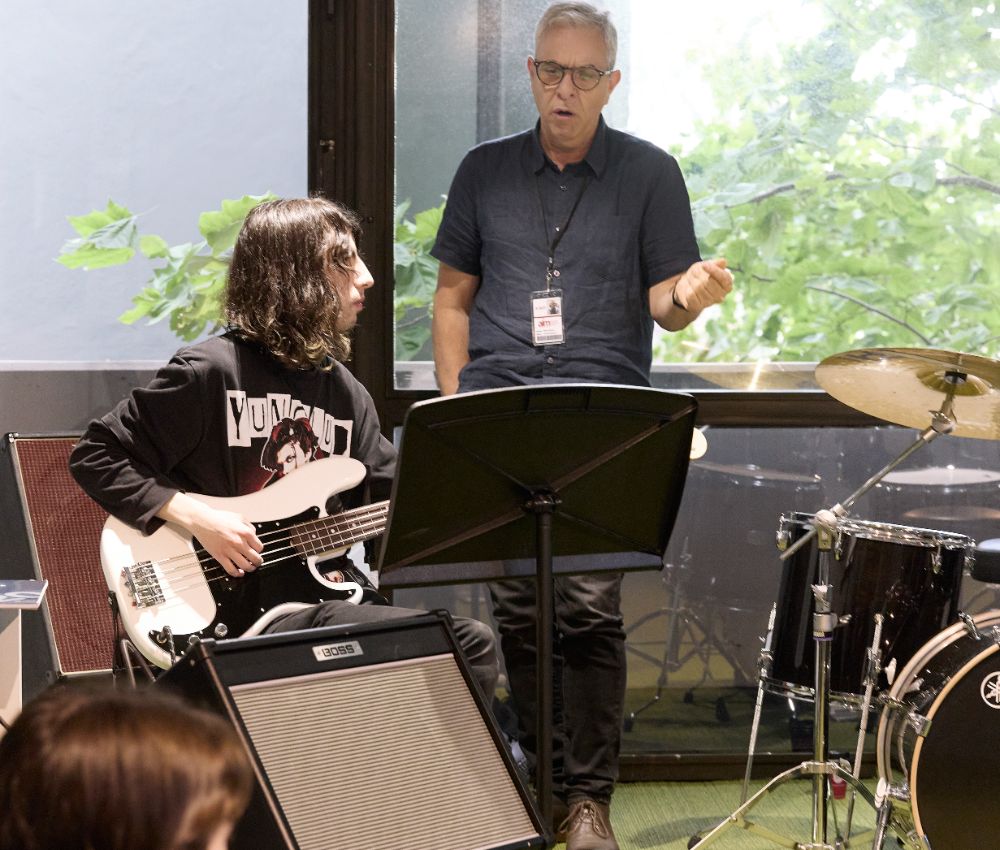
These skills directly inform her teaching at AIM. Because she’s active in the industry right now, she can show students what actually happens on set, in the studio and in high-pressure creative environments.
Collaboration builds your identity as a creative professional
Every project you work on shapes who you are as a musician:
your values, your sound, your workflow and your reputation.
For Bonnie, collaborative scoring sessions helped her discover not just her musical strengths, but also the way she wants to work with others. Directors now seek her out specifically because of the collaborative experience she offers.
For future students, this is one of the biggest lessons:
Your collaborations become your calling card. They help define your place in the industry.
Your Next Steps as a Future Musician
As you prepare for life after Year 12, remember this: music is a community-powered career. Whether you’re composing for film, gigging across Sydney and Melbourne or producing tracks for emerging artists, the people you meet will shape your journey.
Studying at the Australian Institute of Music gives you more than technical skill. It surrounds you with mentors, peers and industry professionals who will become part of your creative network for years to come.
Collaboration isn’t just helpful. It’s essential. And it’s one of the most powerful tools you’ll develop as a future musician.
Ready to find your community of music professionals in 2026?