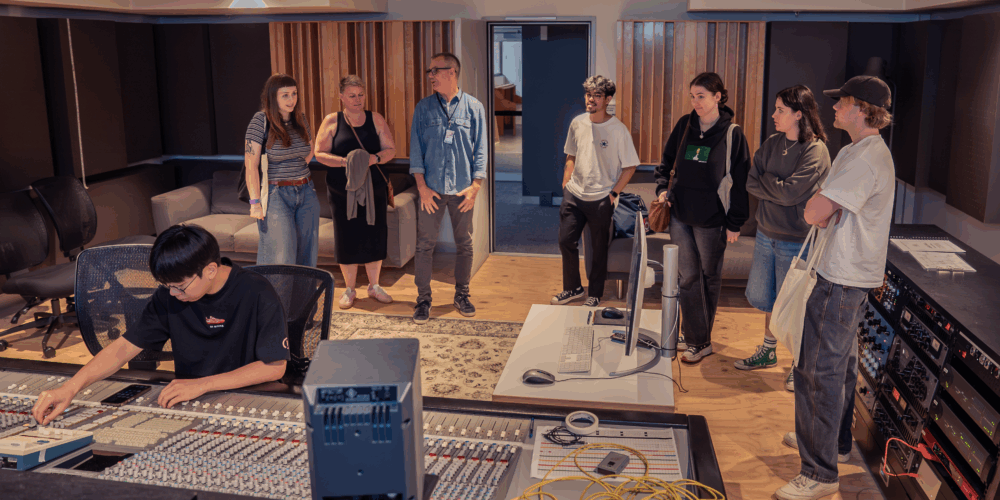
Finishing Year 12 and stepping into your next chapter is exciting, especially if you’re getting ready to study music in 2026.
At the Australian Institute of Music (AIM), a lot of students balance classes, practice, part-time jobs, gigs and normal day-to-day life. It can feel like a lot at first, but with a few practical habits, you can stay on top of everything and still enjoy your time as a student.
Here are five simple ways to find balance as you start your music journey.
1. Plan your week, but keep it realistic
The first few weeks of study are all about figuring out your rhythm. Look at your timetable, your commute, when you like to practice and what time of day you focus best. Once you know this, you can plan your week without overloading yourself.
A simple weekly overview helps you identify where work shifts fit in and where you can schedule regular practice and downtime.

2. Choose part-time work that fits around your study
Most AIM students work while studying, but the type of job makes a big difference. Look for roles that are casual or flexible so you can adjust your hours during assessment periods.
Many students pick up music-related work such as tutoring, teaching beginners or playing small gigs. Others go for hospitality or retail because the hours can be easier to shift around.
The goal is to find work that supports your lifestyle, rather than drains it.

3. Protect your practice time
Your practice hours are where you actually grow as a musician, so treat them like a commitment. Add them to your calendar, break them into smaller blocks and set clear goals for each session.
Consistent, smaller sessions often work better than long, stressful ones. Using AIM’s practice rooms is a great way to stay focused without distractions.

4. Use simple time management tools
Balancing study, work and life is much easier when you break things down. Many students find that time blocking, to-do lists or apps like Google Calendar or OneNote keep them organised.
Two quick tips that actually work:
• Start tasks early instead of waiting for a ‘free day’ that never comes.
• Give yourself short breaks so you don’t burn out or lose motivation.
5. Look after yourself so you can perform at your best
Music study can be demanding physically and mentally. Make time to rest, eat well, move your body and get proper sleep, especially if you’re singing or playing regularly. Being tired can affect your focus, technique and creativity more than you think.
Reach out to classmates, teachers or AIM’s support services if you start feeling overloaded. You’re not meant to figure everything out alone.
Finding balance is a learning curve, especially when you’re coming straight out of school. With the right routines and support, you’ll quickly discover what works for you.
Your time at AIM should be inspiring, challenging and enjoyable, and creating a healthy balance early on will help you get the most out of your 2026 study journey.